
Operational bottlenecks are silent killers for businesses. They cause delays, waste resources, and frustrate teams. For business owners and CEOs, bottlenecks not only hinder growth but also compromise client satisfaction and team productivity.
In this article, you’ll learn how to identify, eliminate, and prevent bottlenecks in your operations.
By streamlining workflows and maximizing efficiency, you can reduce stress, improve performance, and position your business for sustainable growth.
Is your business stuck because of operational challenges? Book a free coaching session now and eliminate bottlenecks for good.
1. What Are Operational Bottlenecks?
Operational bottlenecks occur when workflows slow down due to a lack of resources, unclear processes, or unnecessary steps. This reduces the speed and output of your entire business.
Example:
A manufacturing company experienced delays because one key approval required a manager’s signature, which took days. This single bottleneck caused a week-long delay in product delivery.
Common Types of Bottlenecks
- Resource Bottlenecks: A lack of tools, technology, or personnel.
- Process Bottlenecks: Inefficient workflows or unnecessary approval steps.
- Decision Bottlenecks: Waiting for decisions from leadership, slowing progress.
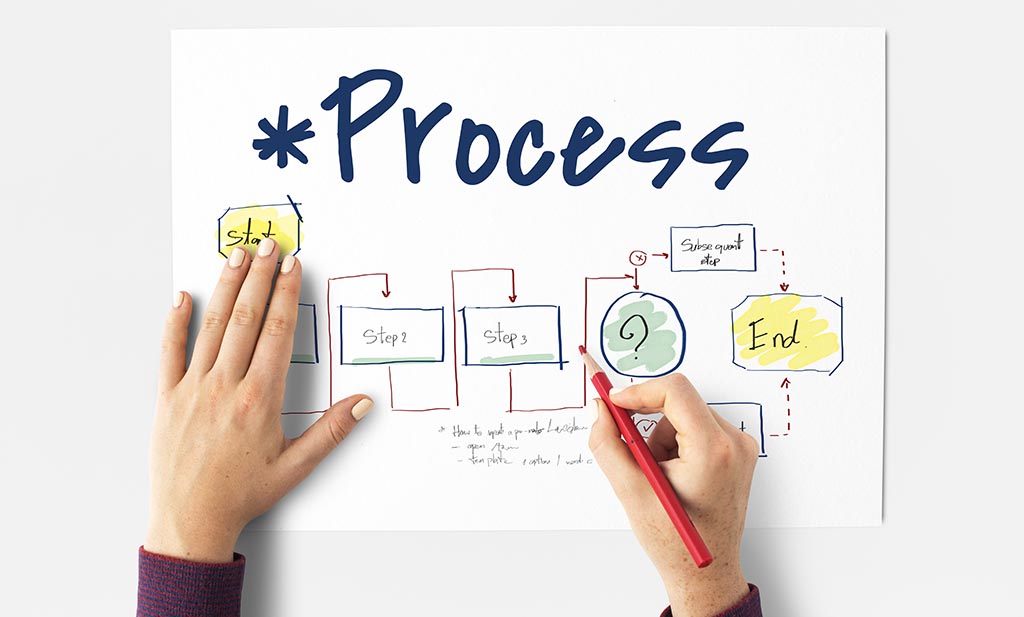
2. The Impact of Bottlenecks on Your Business
Slower Delivery Times
Delays caused by bottlenecks lead to missed deadlines, damaging your reputation with clients.
Example:
A tech startup lost a $100,000 contract because their team failed to deliver a software update on time due to slow internal reviews.
Increased Costs
Bottlenecks waste time and resources, increasing operational costs.
Statistic:
According to a PwC report, businesses waste 10-30% of their revenue annually due to inefficiencies.
Reduced Team Morale
When employees face constant delays or unclear processes, frustration builds, leading to disengagement and turnover.
3. How to Identify Bottlenecks in Your Business
Analyze Your Workflow
Map out your processes step by step. Tools like Lucidchart or Asana help visualize workflows.
Tip: Identify steps where tasks pile up or take longer than expected.
Monitor Key Performance Indicators (KPIs)
Use data to pinpoint inefficiencies. Metrics like project completion rates, resource utilization, and turnaround time can highlight trouble areas.
Listen to Your Team
Your employees are on the frontlines and often know where processes are breaking down.
Example:
A CEO held monthly team check-ins to discuss pain points and identified that unclear client briefs were causing repeated revisions.

4. Strategies to Eliminate Bottlenecks
Automate Repetitive Tasks
Leverage technology to remove manual, time-consuming processes.
- Use Zapier to automate tasks like email follow-ups.
- Implement HubSpot to streamline client communications.
Delegate Decision-Making
Empower your team to make decisions within their scope. This reduces delays caused by waiting for approvals.
Example:
A retail company allowed department managers to approve low-budget purchases, cutting approval times from days to hours.
Optimize Your Processes
- Remove unnecessary steps.
- Use lean principles like Six Sigma to identify and eliminate waste in workflows.
Tip: Review processes quarterly to ensure they align with your business goals.
Improve Communication Channels
Adopt tools like Slack or Microsoft Teams for faster internal communication and task management.
5. Real-World Case Study: Eliminating Bottlenecks to Scale Faster
A mid-sized e-commerce company was struggling to fulfill orders on time, leading to customer complaints.
Steps Taken:
- Identified the Bottleneck: Fulfillment processes were manual and slow.
- Implemented Automation: Installed an automated inventory and fulfillment system.
- Delegated Approvals: Allowed team leads to authorize shipping decisions.
Results:
- Order processing time reduced by 50%.
- Customer complaints dropped by 70%.
- Revenue grew by 15% in one quarter.

6. How to Prevent Bottlenecks in the Future
Regularly Review Your Workflows
Schedule quarterly audits to ensure processes remain efficient.
Train Your Team
Provide training on tools and processes to ensure everyone works effectively.
Embrace Scalability
Adopt scalable systems and tools that grow with your business.
Conclusion: Unlock Growth by Eliminating Bottlenecks
Operational bottlenecks might seem minor, but they have a compounding effect on your business growth. By identifying and eliminating inefficiencies, you’ll save time, reduce stress, and drive better results.
Ready to streamline your business and unlock growth? Let’s create a tailored action plan together. Book your free consultation now.

0 Comments